
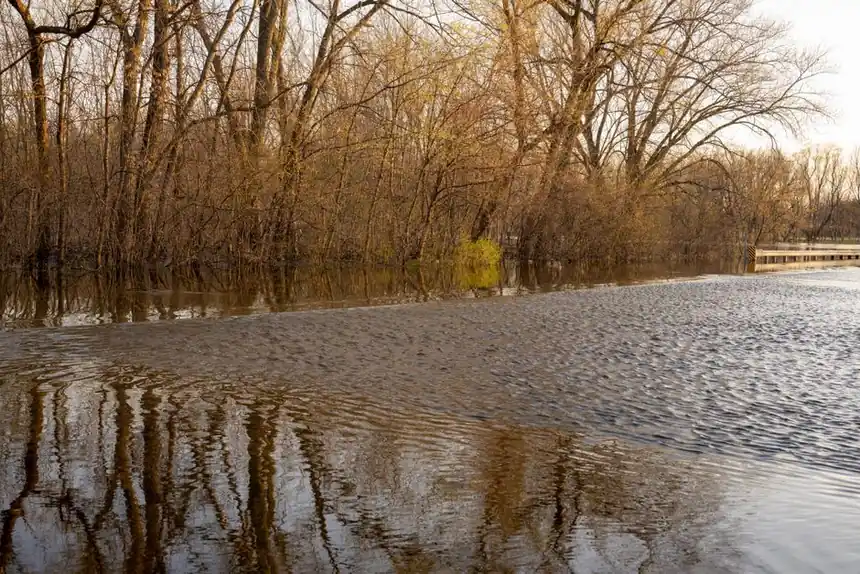
Heavy rainfall in Houston can lead to unexpected basement flooding, leaving homeowners puzzled about the causes. The primary reason your basement floods after heavy rain is often related to drainage issues, groundwater saturation, or structural vulnerabilities. This post will explore the common causes of basement flooding, signs of water damage, and what you can do to prevent and address these issues effectively.
Understanding Basement Flooding
Basement flooding is a significant concern for many Houston homeowners, especially during the wet season. The city's climate, characterized by heavy rains and occasional storms, increases the risk of water infiltration. Understanding the mechanics of how water enters your basement is crucial to preventing damage.
Common Causes of Basement Flooding
Several factors contribute to basement flooding in Houston:
- Poor Drainage Systems: If your home's drainage system is inadequate, rainwater can pool around the foundation and seep into the basement.
- Groundwater Levels: High groundwater levels during heavy rains can cause water to rise and enter the basement.
- Cracks in Foundation: Any cracks or gaps in your foundation can allow water to penetrate during heavy rains.
- Blocked Gutters and Downspouts: If your gutters are clogged, water can overflow and pool around your foundation, leading to potential flooding.
Signs of Water Damage
Recognizing the signs of water damage early can save you from extensive repairs. Look for:
- Water stains on walls or ceilings.
- Mold growth in corners or along the floor.
- Musty odors that indicate stagnant water.
- Peeling paint or wallpaper.
If you notice any of these signs, it's essential to act quickly. Homeowners often reach out for water damage assessment and inspection to determine the extent of the problem.
What to Do Immediately After Flooding
If your basement floods, take immediate action to mitigate damage:
- Turn off electricity in the affected area to prevent electrical hazards.
- Remove any standing water using pumps or buckets; consider hiring water extraction services for efficient removal.
- Dry out the area using fans and dehumidifiers.
- Inspect for mold and begin remediation if necessary.
It's vital to address these steps promptly to minimize damage and health risks.
Preventive Measures for Future Rainfall
To prevent future flooding, consider these measures:
- Regularly clean gutters and downspouts to ensure proper water flow.
- Install a sump pump to manage groundwater levels.
- Seal cracks in your foundation with appropriate materials.
- Consider landscaping modifications to direct water away from your home.
Implementing these strategies can significantly reduce the risk of flooding in your basement during heavy rains.
Common Mistakes to Avoid
Many homeowners make mistakes that can exacerbate flooding issues:
- Ignoring regular maintenance of drainage systems.
- Neglecting to inspect the foundation for cracks.
- Failing to install proper waterproofing measures.
- Delaying repairs after water damage occurs.
A proactive approach can save you from costly repairs and health hazards associated with mold and mildew.
When to Call a Professional
If your basement experiences flooding, it's advisable to consult with experts. At Water Damage Restoration Houston, we provide comprehensive services to address water damage and restore your home. Our team is equipped to handle everything from extraction to drying and mold remediation.
Frequently Asked Questions
What should I do first if my basement floods? The first step is to turn off any electricity in the area and then begin removing standing water, either manually or with a pump.
How can I prevent basement flooding? Regular maintenance of gutters, installing a sump pump, and sealing foundation cracks can help prevent flooding.
When should I call a professional for water damage? If the flooding is extensive or if you notice signs of mold growth, it's best to call a professional for assistance.
Can I clean up water damage myself? Minor water damage can be managed by homeowners, but significant flooding should be handled by professionals to ensure safety and thoroughness.
How long does it take to dry out a flooded basement? Drying times can vary based on the extent of the flooding and the materials affected, but it typically takes several days to a week.